Built by people who actually compete.
Sensei isn't a fitness app built by people who watched the sport on YouTube. It's built by a professional Muay Thai fighter and a competing grappler who felt the gap between sessions and decided to close it.
The fighter and the builder.
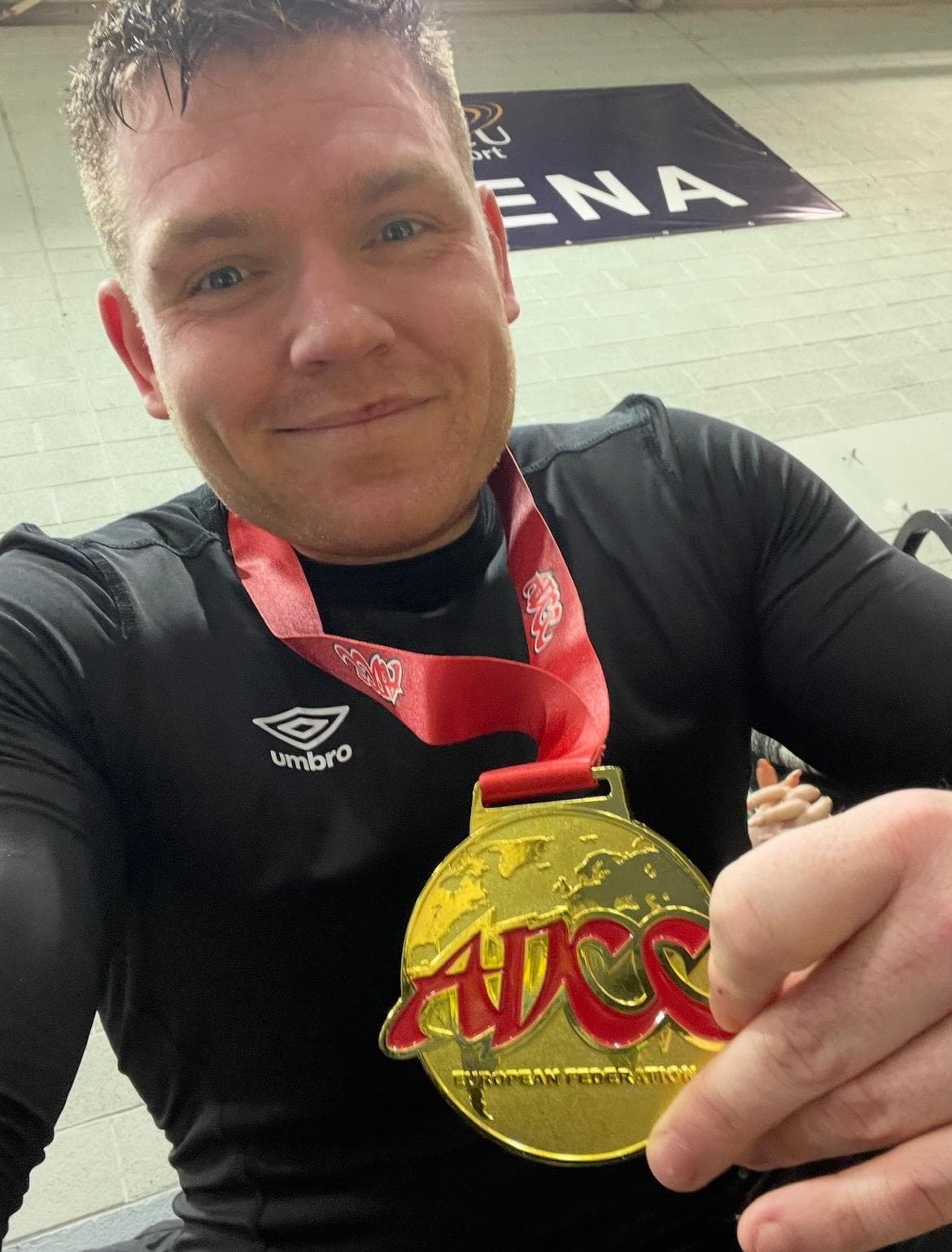
Kevin Murphy
ADCC European Federation medalist and IBJJF Dublin International Open competitor. Built the pipeline he needed for his own training. Every feature came from a question he had between sessions.

Mark Casserly
Co-authored the UCD paper on manual boxing video analysis in 2022 — the academic lineage Sensei's pose pipeline calibrates against. 25 reference recordings (punches, kicks, knees, elbows in orthodox stance) are the motion-capture gold standard.
Taking it global.
A fighter who's lived the path we're building for — Dublin, Thailand, now Australia. Connor leads marketing and global go-to-market, with a team growing behind him.
Connor O'Reilly
From Champion Muay Thai in Dublin to the stadiums of Thailand — now in Australia, leading Sensei across APAC and global go-to-market. Trained under Mark Casserly.
Flora
Runs Sensei's social and content — the daily presence between the big moments. Bio coming soon.
It started as a paper.
In 2022, Mark co-authored research at University College Dublin on manual boxing video analysis — breaking down strikes frame by frame, by hand. That paper maps almost directly onto the Sensei pipeline: the same biomechanical reads, now automated and put in a fighter's pocket.
His 25 reference recordings — punches, kicks, knees, elbows in orthodox stance — are the motion-capture gold standard the analysis calibrates against.
Most AI fitness products start with a prompt. Sensei started with peer-reviewed research and a fighter's reference footage.
People who feel the gap, not watch it.
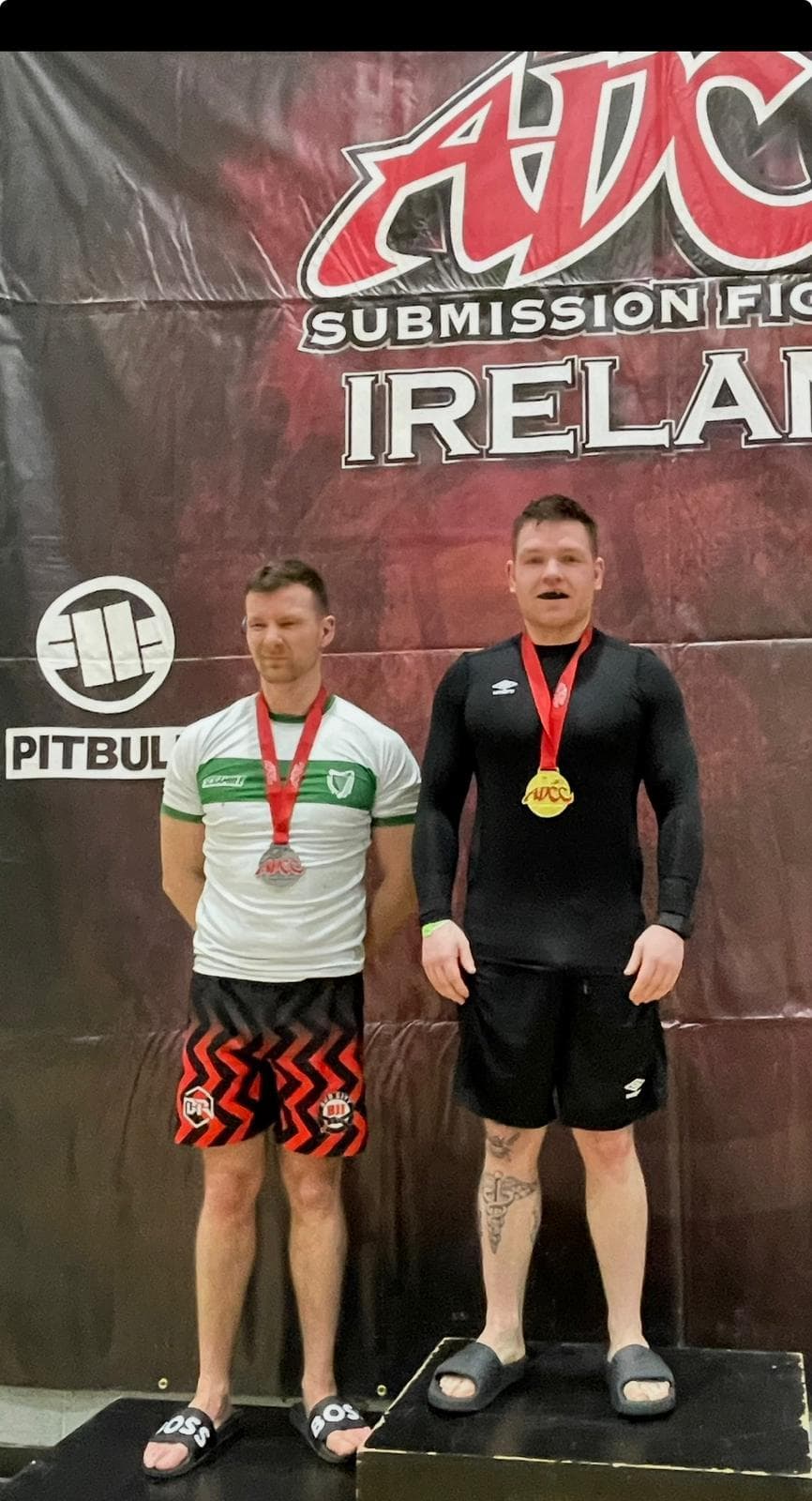
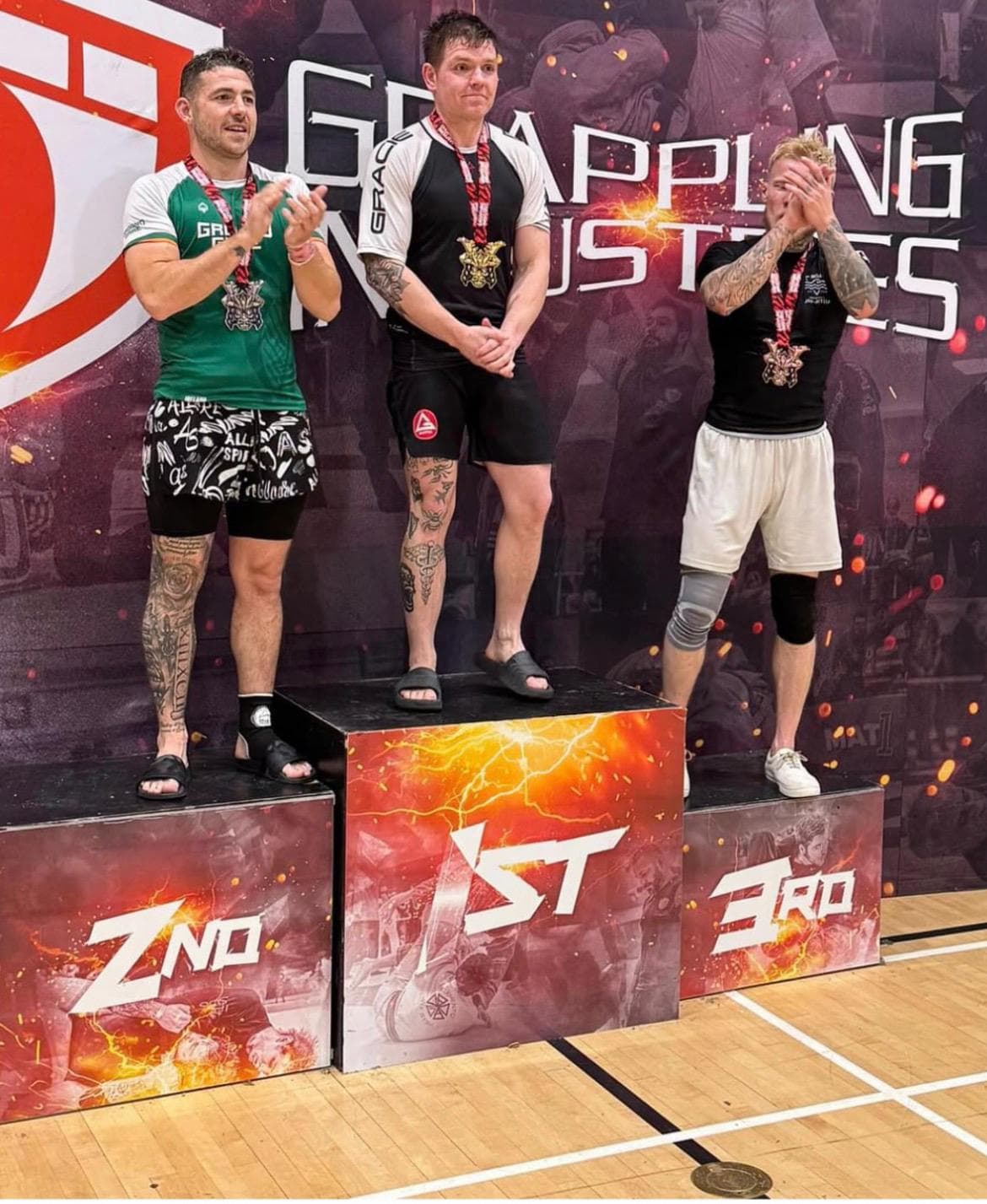

The product is shaped by people who feel the gap between sessions — not by people who watched the gap on YouTube.
Built by fighters. Made for yours.
No card to start.